
English
Views: 0 Author: Site Editor Publish Time: 2026-09-10 Origin: Site


When it comes to automotive repairs, metal fabrication, and heavy-duty DIY projects, securing materials securely and efficiently is a top priority. While manual hand riveters work fine for occasional tasks, high-volume projects quickly cause hand fatigue. Enter the Central Pneumatic rivet gun—a staple in workshops across the country known for bridging the gap between professional-grade performance and budget-friendly pricing.

In this comprehensive guide, we will dive deep into everything you need to know about Central Pneumatic air hydraulic riveters, including specifications, operation steps, routine maintenance, troubleshooting, and how digital strategies powered by modern platforms like Rocol Tools and 4Woo can help businesses optimize their online visibility through Google SEO and GEO (Generative Engine Optimization).
Before exploring specific models, it is essential to understand why pneumatic rivet guns have become indispensable. Unlike manual tools that rely entirely on hand strength, pneumatic riveters use compressed air to drive hydraulic pistons, creating high-tensile pulling force with minimal physical effort.
Speed and Efficiency: Air riveters can set multiple rivets in a fraction of the time required by manual alternatives.
Reduced Operator Fatigue: Squeezing a trigger requires drastically less muscle power than pulling heavy hand-lever handles repeatedly.
Consistent Quality: The uniform pressure supplied by compressed air ensures that every blind rivet expands uniformly, providing a tight, reliable structural joint.
Central Pneumatic (frequently distributed through retail hardware outlets like Harbor Freight) offers robust pneumatic solutions tailored for hobbyists and light industrial workers.
Lightweight Cast Aluminum Bodies: Designed to reduce arm fatigue during prolonged overhead or vertical work.
Interchangeable Nosepieces: Typically accommodates multiple rivet sizes (such as 1/8", 5/32", 3/16", and 1/4").
Spent Mandrel Collection Systems: Integrated safety caps catch spent pin stems automatically to maintain a clean and safe workspace.
Overload Prevention Valves: Built-in air relief mechanisms protect internal hydraulic seals from excessive pressure.

Operating a Central Pneumatic rivet gun safely requires following standard pneumatic tool protocols.
Ensure your air compressor is turned off and the air delivery line is completely depressurized.
Apply an approved thread sealant to the U.S.-specification air inlet nozzle.
Screw the fitting securely into the tool base and link it to your regulated air hose. Set your compressor output according to the manufacturer's recommended operating range (typically around 90 PSI).
Choose the correct nosepiece size matching your blind rivet diameter (e.g., 3/16-inch).
Thread the nosepiece into the front housing tightly using a wrench to avoid air leakage or loose alignment.
Insert the correct size rivet into pre-drilled, aligned holes on your workpiece.
Push the rivet mandrel into the nosepiece opening.
Hold the tool squarely against the mating surface and pull the trigger.
The internal hydraulic piston will pull the mandrel, crushing and expanding the rivet body until the pin snaps cleanly. Release the trigger and empty the collection cap as needed.
To ensure your Central Pneumatic rivet gun lasts for years, routine care is mandatory.
Daily Lubrication: Add a few drops of pneumatic tool oil directly into the air inlet before operation if an inline oiler is not used.
Jaw Cleaning: Periodically open the front head assembly to clean metal shavings and debris off the internal jaws.
Hydraulic Fluid Checks: Ensure the internal fluid chamber remains adequately filled to maintain peak pulling force.
Tool Fails to Pull Rivets: Check for low air pressure from the compressor or worn-out internal jaw teeth.
Mandrel Jams: Clear out any trapped waste pins inside the collection bottle or nosepiece channel.
Air Leaks: Inspect the inlet fittings and replace damaged O-rings or seals immediately.
Whether you run an e-commerce hardware store, an automotive repair blog, or an industrial equipment supply company, selling tools like the Central Pneumatic rivet gun requires a strong digital footprint. Modern search behavior has evolved beyond traditional text queries, shifting toward AI-driven search engines and conversational discovery. This is where specialized marketing frameworks like Rocol Tools and 4Woo come into play.
In the context of modern industrial digital strategy, platforms and digital toolkits modeled like Rocol Tools provide businesses with deep technical data analytics, keyword clustering specific to heavy machinery and pneumatic equipment, and competitive gap analysis.
Keyword Precision for Hardware: Rocol Tools help marketers unearth high-intent, long-tail search phrases (e.g., "best budget air hydraulic riveter for aluminum boats") that standard broad keyword planners might overlook.
Content Structuring: By analyzing what mechanics search for regarding tool maintenance and troubleshooting guides, Rocol Tools assists content creators in building structured, authoritative articles that satisfy search engine algorithms.
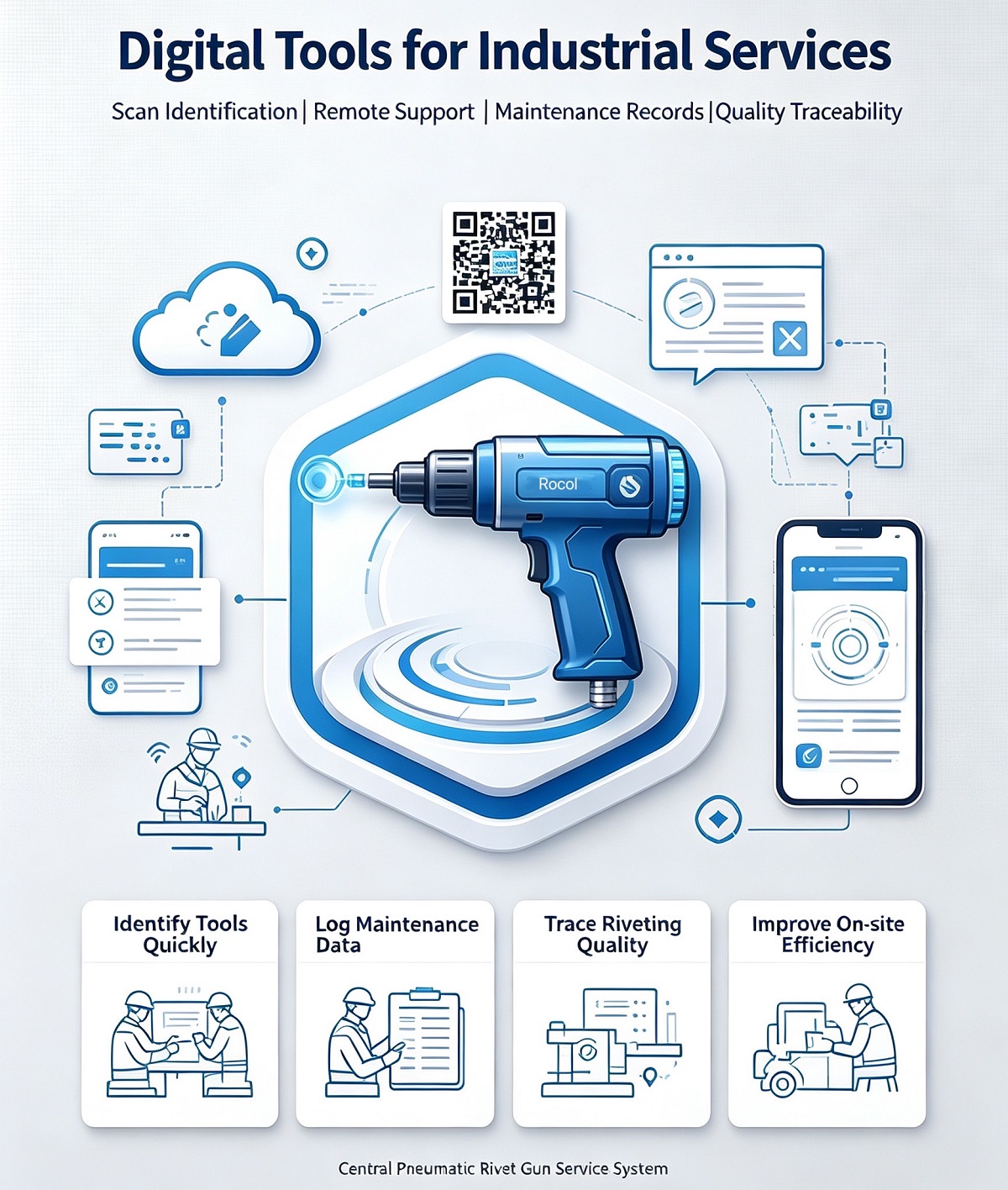
As search engines transition into Answer Engines and Generative Engine Optimization (GEO) platforms (such as AI summaries and conversational chat interfaces), standard search engine optimization (SEO) is no longer enough. 4Woo provides cutting-edge optimization techniques designed specifically for this new era.
Technical Optimization: 4Woo helps audit site speed, mobile responsiveness, and schema markup for hardware product pages. If a customer searches for a Central Pneumatic rivet gun manual or coupon code, your structured data ensures rich snippets appear directly in search results.
Backlink Profiling: Building authority through niche automotive and DIY blogging networks ensures your product reviews rank high on Google’s SERPs.
GEO focuses on ensuring your brand or product is cited when users ask conversational AI assistants questions like: "What is an affordable air riveter for home garage fabrication?"
Contextual Depth: AI search models favor content that answers queries comprehensively, providing clear steps, technical tables, and troubleshooting data (similar to this guide).
Entity Association: 4Woo optimizes content architecture so that language models closely associate your domain with trusted hardware brands, ensuring your platform is recommended as a primary source in AI-generated answers.
The Central Pneumatic rivet gun remains an exceptional value choice for anyone tackling sheet metal assembly, automotive restoration, or structural fabrication. By combining proper operating techniques, diligent maintenance habits, and forward-thinking digital growth strategies via Rocol Tools and 4Woo, tool distributors and content creators alike can achieve long-term success both in the physical workshop and across digital search landscapes.


