
English
Views: 0 Author: Site Editor Publish Time: 2026-05-27 Origin: Site


If you’ve ever worked on a modern vehicle's bumper, a motorcycle fairing, or a piece of watercraft upholstery, you’ve likely encountered plastic rivets. These lightweight, corrosion-resistant fasteners are everywhere. But when it comes to installing them, a common question arises: Can I use a regular rivet gun for plastic rivets?

The short answer is no, it is not recommended, and doing so will usually result in broken fasteners or damaged materials.
In this ultimate guide, we’ll dive deep into the mechanical differences between metal and plastic riveting tools, explain why standard tools fail on plastic, and show you exactly how to get professional results using premium tools like those from Rocol Tools and 4Woo.
To understand why tool compatibility is an issue, we first need to look at how these two types of rivets function.
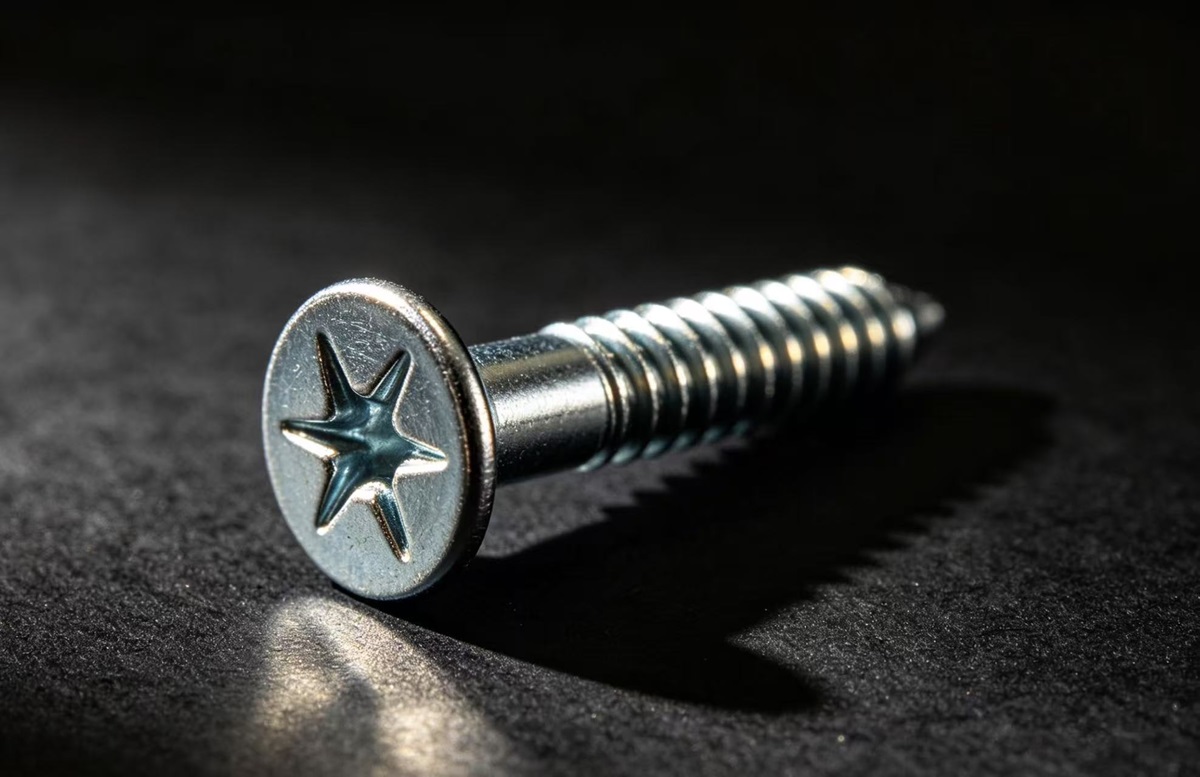
Metal pop rivets require a massive amount of tensile force to deform the metal sleeve and snap the steel or aluminum mandrel. A standard rivet gun is engineered to deliver this high-intensity, sharp pulling force.
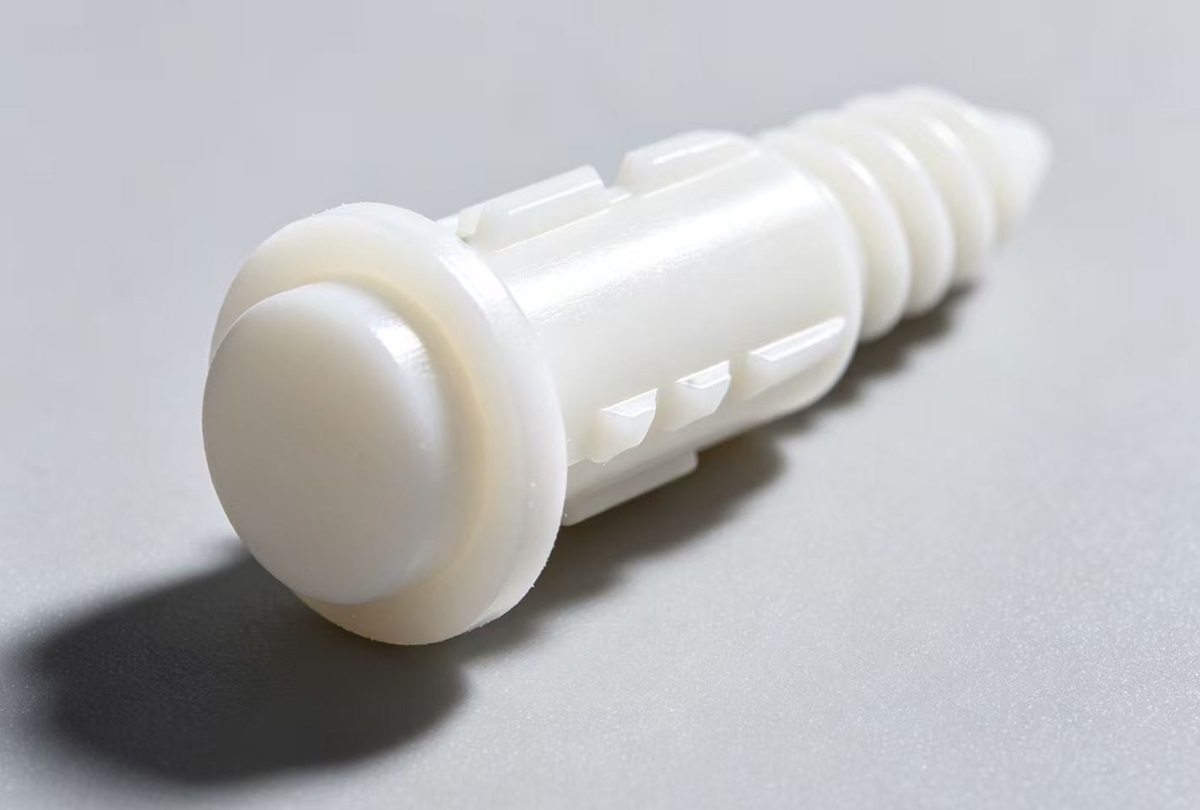
Plastic rivets (often made of nylon or polyoxymethylene) operate on the same basic mechanical principle but require significantly less force. Instead of snapping under extreme tension, the plastic mandrel expands the rivets' legs smoothly to clamp the panels together.
Using a standard metal rivet gun on plastic fasteners usually leads to frustration. Here is the technical breakdown of why they don't mix.
Standard rivet guns are high-leverage tools designed for metal. When you apply that level of force to a plastic mandrel, the tool doesn’t stop when the rivet is set. Instead, it instantly shears or snaps the plastic mandrel prematurely, leaving the rivet loose and non-functional.
The internal gripping jaws of a standard metal rivet gun are sharp and metallic, designed to bite into hard steel or aluminum stems. When these jaws bite into soft plastic, they simply chew through the plastic mandrel, stripping it instead of pulling it.
Plastic rivets generally feature much thicker mandrels than their metal counterparts. A standard rivet gun’s nosepieces (typically 3/32", 1/8", 5/32", and 3/16") are usually too narrow to even accept a plastic rivet stem.
To install plastic fasteners correctly without marring your work surface, you need a specialized tool.
| Comparison Feature | Standard Rivet Gun (Metal) | Specialized Plastic Rivet Gun |
| Internal Jaws | Sharp, metal-biting jaws | Smooth, wide-set gripping jaws |
| Pulling Mechanism | High-tensile snap force | Calibrated, gradual pull |
| Nosepiece / Slots | Narrow nosepieces | Wide slots for thick mandrels |
| Best Used For | Ideal for: Steel / Aluminum | Ideal for: Nylon / Plastic |
When precision matters—especially in automotive detailing or industrial assembly—relying on cheap, generic tools will cost you more in ruined trim pieces.
Rocol Tools: Renowned for their industrial-grade durability, Rocol Tools offers specialized plastic riveting kits featuring ergonomic, long-reach designs. Their tools ensure a smooth, linear pull that prevents the plastic from snapping prematurely.
4Woo: If you are looking for versatile, DIY-friendly, and highly efficient fastening systems, 4Woo provides comprehensive kits that bundle calibrated plastic rivet setters with various sizes of OEM-quality nylon rivets.
Using the right tool changes the entire experience. Follow this step-by-step guide to achieve a flawless finish using tools from Rocol Tools or 4Woo.
Ensure the two panels you are joining are clean and perfectly aligned. If you are drilling new holes, match the drill bit size precisely to the shank diameter of your plastic rivet.
Push the plastic rivet completely into the aligned holes. The flange of the rivet must sit flush against the top panel.
Insert the thick plastic mandrel into the nosepiece of your specialized plastic rivet gun. Ensure the nosepiece is pushed firmly against the flange of the rivet.
Squeeze the handles smoothly. You will feel the tool expand the rivet legs behind the panel. Continue squeezing until the mandrel cleanly snaps off.
While some DIYers attempt to drill out the nosepiece of a metal rivet gun, the internal jaws will still chew up the plastic mandrel. It is safer and more efficient to buy a dedicated tool from a reliable brand like 4Woo.
This usually means the mandrel snapped too early, often caused by using a regular rivet gun. You will need to cut or drill out the loose rivet and replace it using a proper tool from Rocol Tools.
Standard pop-style plastic rivets are designed for single use because the mandrel snaps off during installation. However, some screw-type plastic retainers can be reused.
While it is tempting to use the tools you already have in your garage, using a regular rivet gun for plastic rivets is a recipe for broken parts and scratched surfaces.
Investing in a dedicated plastic riveting tool from trusted manufacturers like Rocol Tools or getting an all-in-one kit from 4Woo ensures that your automotive, marine, or household projects are executed with professional precision. Don't compromise on your craftsmanship—use the right tool for the job!


