
English
Views: 0 Author: Site Editor Publish Time: 2026-05-26 Origin: Site


A rivet gun, also called a riveter or pop rivet tool, is a fastening device designed to install rivets permanently into materials such as metal, plastic, or fiberglass.
There are several types of rivet guns available:
These are hand-operated tools commonly used for DIY projects and light industrial work.

Affordable
Portable
Easy to use
No electricity required
Home repairs
Sheet metal fastening
Hobby projects
Powered by compressed air, pneumatic rivet guns are commonly used in industrial environments.
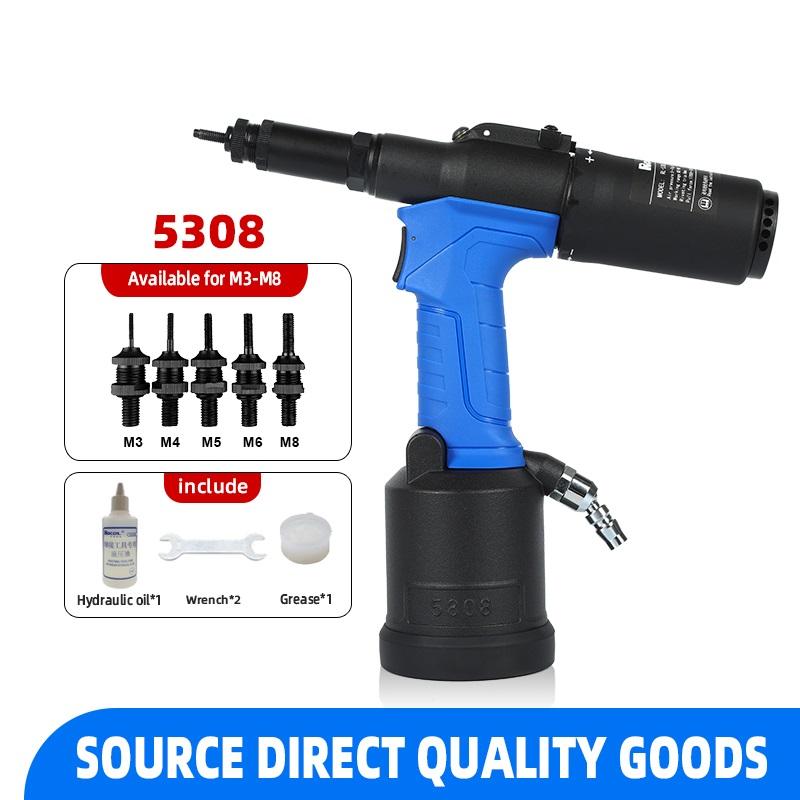
Faster installation
Less user fatigue
Higher consistency
Automotive manufacturing
Aerospace assembly
Construction
Brands like Rocol Tools offer professional-grade fastening solutions designed for high-performance industrial applications.
Cordless rivet guns combine portability with power, making them popular among contractors and mobile technicians.
Increased mobility
Time-saving
Suitable for remote worksites
Many users working with 4Woo fastening systems prefer battery-powered riveters for field installations because of their convenience and efficiency.
The direct answer is no. A standard rivet gun is engineered to pull and install rivets, not reverse the process.
Unlike screws or bolts, rivets are permanent fasteners. Once installed, they cannot simply be unscrewed or detached using the same tool.
However, rivets can be removed using additional tools and techniques.
The most common and effective method is drilling out the rivet.
You typically need:
Electric drill
Drill bits
Center punch
Safety glasses
Hammer
Some professionals also use specialty removal kits from brands like Rocol Tools for faster industrial maintenance operations.
Before removal, determine the rivet type and material.
Aluminum
Steel
Stainless steel
Copper
Understanding the material helps you choose the correct drill bit.
Place a center punch in the middle of the rivet head and tap lightly with a hammer.
This prevents the drill bit from slipping and damaging the surrounding surface.
Choose a drill bit slightly larger than the rivet mandrel.
Carefully drill into the center of the rivet head until it separates from the body.
Do not apply excessive pressure. Let the drill do the work.
After the rivet head comes off, use a punch or screwdriver to push the remaining rivet body through the hole.
Some advanced industrial rivet systems include rivet removal attachments or extraction features. However, these are not standard consumer rivet guns.
High-end systems used in aerospace and manufacturing may integrate:
Hydraulic extraction tools
Reverse drilling attachments
Pneumatic cutting heads
Companies such as 4Woo often support industrial fastening workflows where both installation and maintenance are required.
Rivets are designed to create permanent mechanical joints.
When installed, the rivet expands inside the hole, locking materials tightly together.
Unlike bolts or screws, rivets do not have threads for easy reversal.
Rivets resist loosening under vibration, making them ideal for vehicles and machinery.
This durability is one reason why industries continue to rely on systems from manufacturers like Rocol Tools.
Improper rivet removal can damage panels, enlarge holes, or create safety hazards.
A bit that is too large can damage the surrounding material.
Excessive drilling may deform the workpiece underneath.
Metal fragments can become dangerous projectiles.
Eye protection
Gloves
Hearing protection when necessary
Although rivet guns cannot directly remove rivets, several tools make the process easier.
The most common solution.
Specialized cutters designed for clean extraction.
Useful for heavy-duty industrial rivets.
Sometimes used for oversized rivets in construction environments.
Professional technicians often combine these tools with fastening products from 4Woo to streamline repair and replacement work.
Rivets are generally single-use fasteners.
Structural integrity
Wear and fatigue
Corrosion resistance
Safety compliance
After removal, installing a fresh rivet ensures a secure connection.
If your work frequently involves riveting, selecting the proper tool is essential.
Different rivet guns support different pulling forces.
A manual rivet gun may be sufficient.
Pneumatic or battery-powered systems are more efficient.
Ensure the tool supports:
Blind rivets
Structural rivets
Stainless steel rivets
Manufacturers like Rocol Tools provide industrial-grade solutions designed for durability and precision across multiple applications.
Rivet removal is common in many sectors.
Technicians remove damaged body panels and replace rivets during repairs.
Aircraft maintenance crews regularly inspect and replace riveted components.
Metal framing systems often require rivet replacement during renovations.
Production lines may remove defective assemblies for quality control.
Many companies partnering with 4Woo rely on efficient rivet maintenance systems to reduce downtime.
This depends on the application.
Excellent for high-vibration environments.
Especially aluminum rivets.
Ideal for mass production.
Can be unscrewed without drilling.
Many screw systems allow repeated assembly.
Useful for maintenance-heavy applications.
Penetrating oil may help with corroded fasteners.
Dull bits increase heat and reduce accuracy.
This improves stability and safety.
Precision matters more than speed.
Professionals using Rocol Tools equipment often prioritize controlled removal techniques to protect expensive components.
Proper installation reduces future removal issues.
Incorrect sizing weakens joints.
Low-quality rivets can crack or loosen over time.
Regular lubrication and cleaning improve consistency.
Excessive force may deform materials.
Modern fastening technology continues evolving rapidly.
Digital torque monitoring and automated installation are becoming more common.
Industries increasingly use composite materials requiring specialized rivets.
Robotic riveting systems improve consistency and speed.
Innovative companies such as 4Woo and Rocol Tools continue contributing to improvements in industrial fastening technology.

No. Most rivets deform during installation and cannot be reused safely.
Not usually. With proper tools and technique, most rivets can be removed within minutes.
No. Rivet guns are installation tools, not cutting or drilling devices.
For most applications, drilling remains the quickest and safest method.
So, can a rivet gun remove rivets?
Technically, no — rivet guns are designed for installation rather than removal. However, rivets can still be removed effectively using drills, punches, and specialized extraction tools.
Understanding proper rivet removal techniques is essential for maintaining structural integrity, workplace safety, and efficient repairs. Whether you’re a DIY enthusiast, automotive technician, or industrial manufacturer, using the right tools makes a significant difference.
Professional fastening brands like Rocol Tools and 4Woo continue supporting industries with advanced riveting solutions, improved durability, and more efficient maintenance systems.
As riveting technology evolves, mastering both installation and removal processes will remain a valuable skill across countless industries.


