
English
Views: 0 Author: Site Editor Publish Time: 2026-05-25 Origin: Site


Pop rivets are one of the most reliable fastening solutions used in metalworking, automotive repair, HVAC installation, furniture assembly, and home DIY projects. However, many beginners and even experienced DIY enthusiasts often ask: Can you install pop rivets without a rivet gun?
The answer is yes. While a rivet gun is the standard tool for installing blind rivets, there are several practical ways to install pop rivets without one, especially when you are working in tight spaces, handling emergency repairs, or simply do not own a rivet tool yet.
In this guide, we will explain step-by-step methods to install pop rivets without a gun, the tools you need, common mistakes to avoid, and professional tips to ensure strong, long-lasting fastening results. We will also introduce professional fastening solutions from Rocol Tools and industrial hardware support from 4Woo to help improve your DIY and industrial projects.
Pop rivets, also known as blind rivets, are permanent mechanical fasteners commonly used to join two materials together. They are especially useful when only one side of the workpiece is accessible.
A standard pop rivet consists of:
A hollow rivet body
A mandrel (center pin)

When installed, the mandrel pulls through the rivet body, expanding the back side and locking the materials together securely.
Automotive body repairs
Sheet metal fabrication
Roofing installation
HVAC ductwork
Aluminum frame assembly
Furniture manufacturing
DIY home repairs
Because of their strength and vibration resistance, pop rivets are widely used in both professional and home workshops.
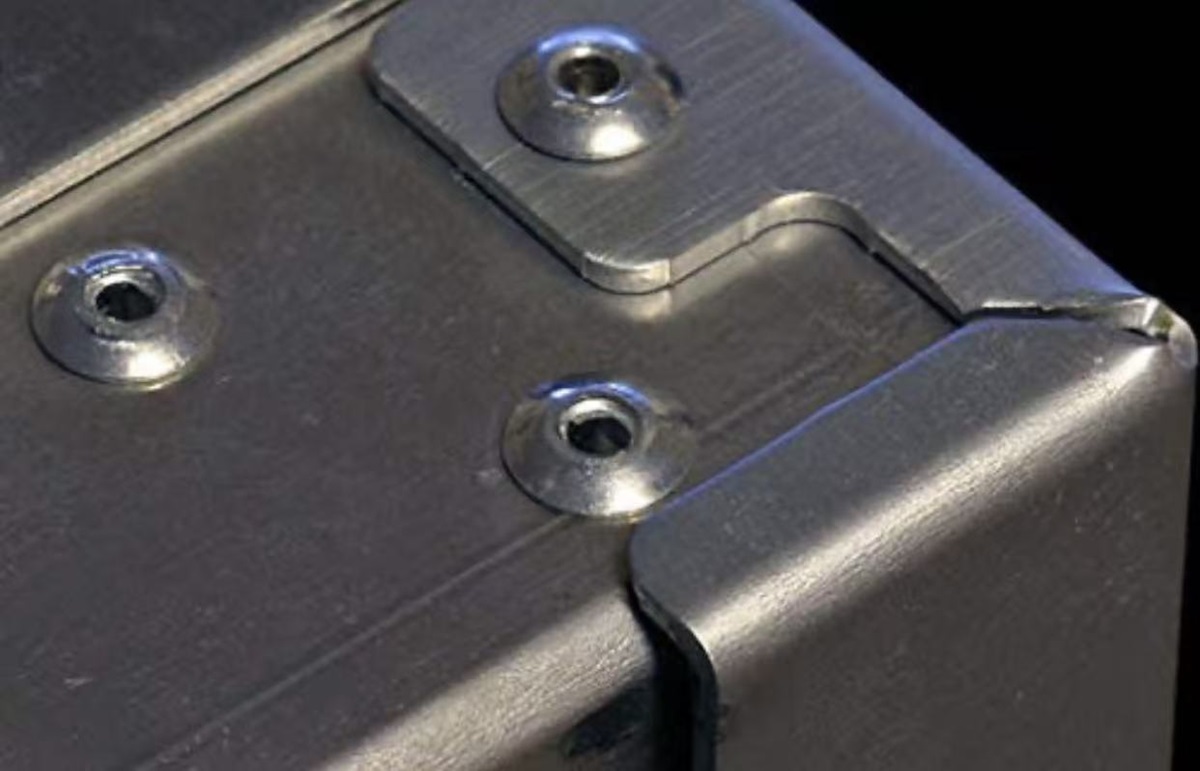
Yes, you can. Although a rivet gun makes the installation process easier and faster, there are alternative methods that can work effectively in certain situations.
These methods are ideal when:
You do not own a rivet gun
You need a temporary field repair
You are working in remote locations
The rivet gun cannot fit into tight spaces
You only need to install a few rivets
However, manual installation methods may require more patience and precision compared to using professional riveting tools.
Before starting, gather the following tools:
Used to create the rivet hole.
Needed for manual compression methods.
Helps drive and secure the mandrel.
Useful for pulling the mandrel manually.
Can assist in leverage-based methods.
Protect your eyes from metal debris.
Prevent cuts from sharp sheet metal edges.
Recommended when drilling or hammering metal.
For professional-grade fastening and industrial hand tools, many technicians prefer solutions from Rocol Tools for durability and workshop efficiency.
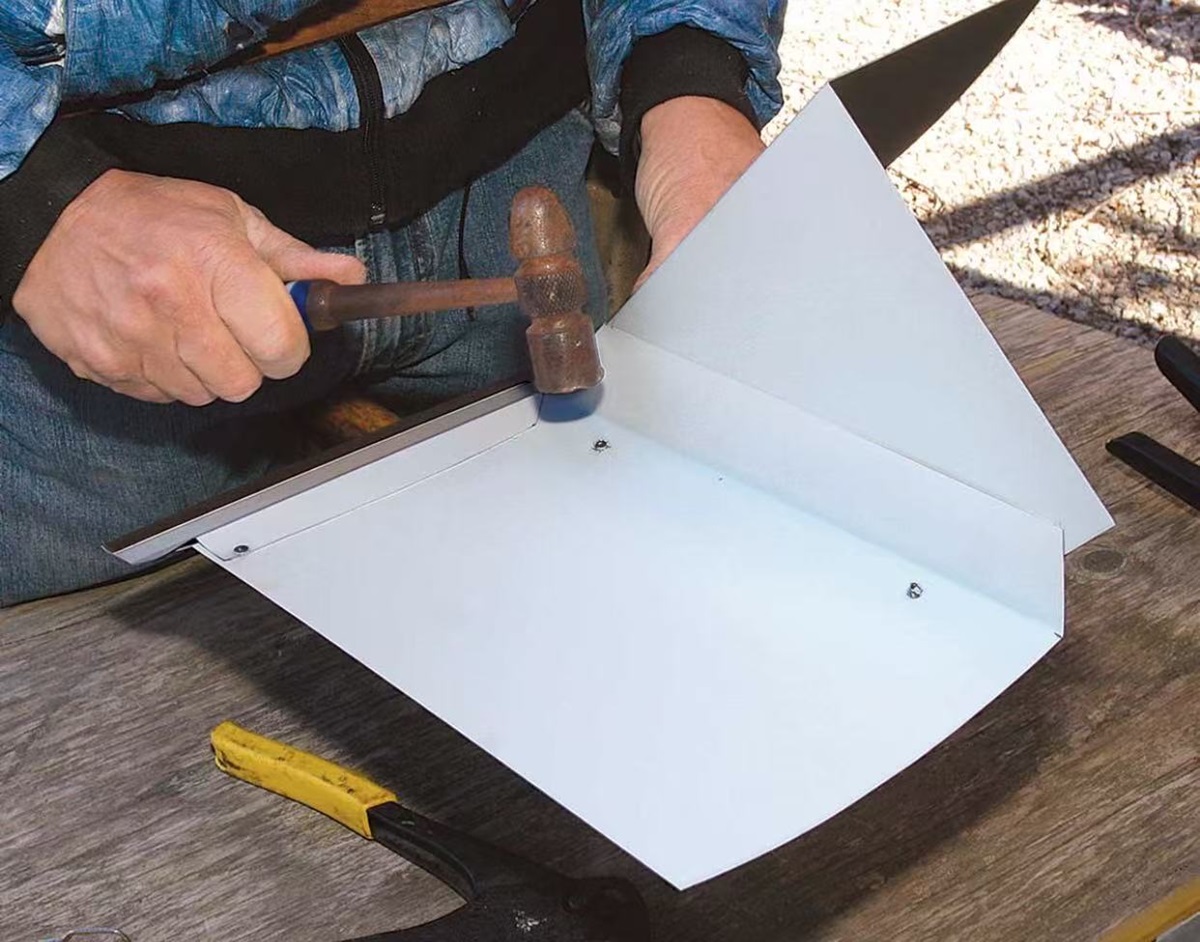
This is one of the simplest alternative methods.
Use a drill bit that matches the diameter of the pop rivet.
The hole should be:
Clean
Round
Slightly larger than the rivet body
Push the rivet body into the hole until the flange sits flush against the surface.
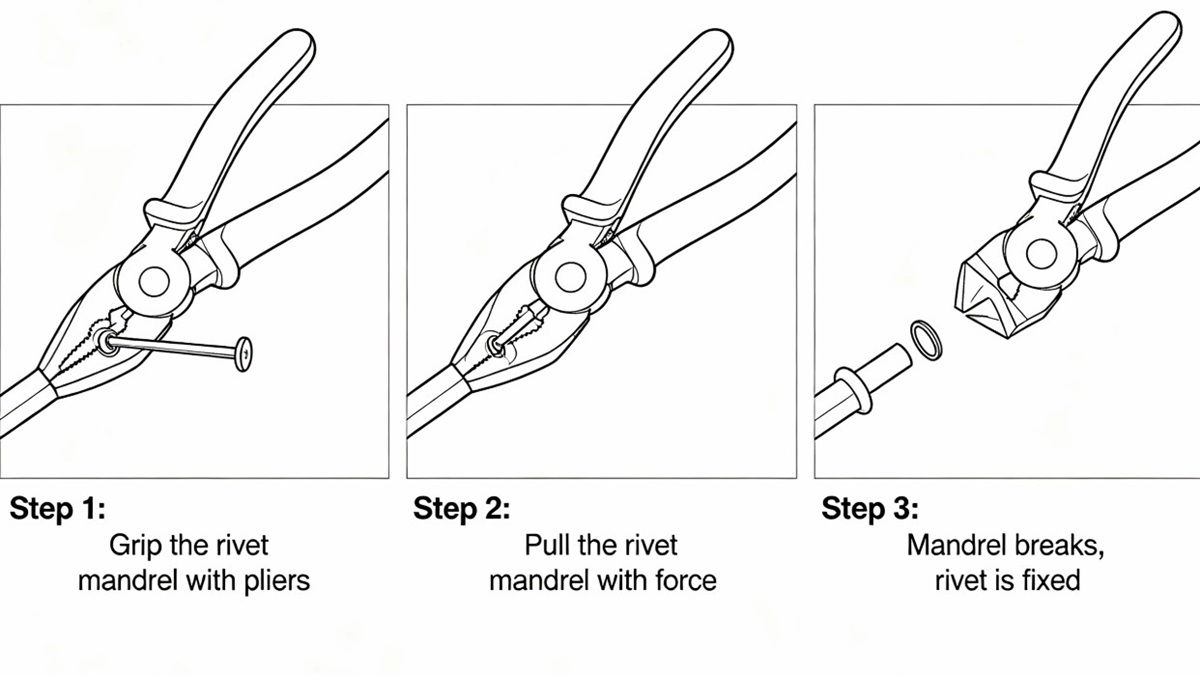
Use locking pliers or strong needle-nose pliers to firmly grab the mandrel stem.
Pull steadily while applying pressure against the rivet head.
This action expands the backside of the rivet.
Continue pulling until the mandrel breaks off naturally.
Your rivet is now secured.
No special tools required
Good for small DIY repairs
Works in emergencies
Low-cost solution
Requires significant hand strength
Less consistent than a rivet gun
Difficult with large rivets
Slower installation process
Another practical approach involves using a hammer and punch tool.
This method works best for:
Soft aluminum rivets
Thin sheet metal
Temporary repairs
Light-duty applications
Align the materials and drill the rivet hole.
Place the rivet into the hole securely.
Hold the rivet head firmly against a hard surface.
Use a punch and hammer to drive the mandrel downward carefully.
As the mandrel compresses the rivet body, the backside expands and locks the materials together.
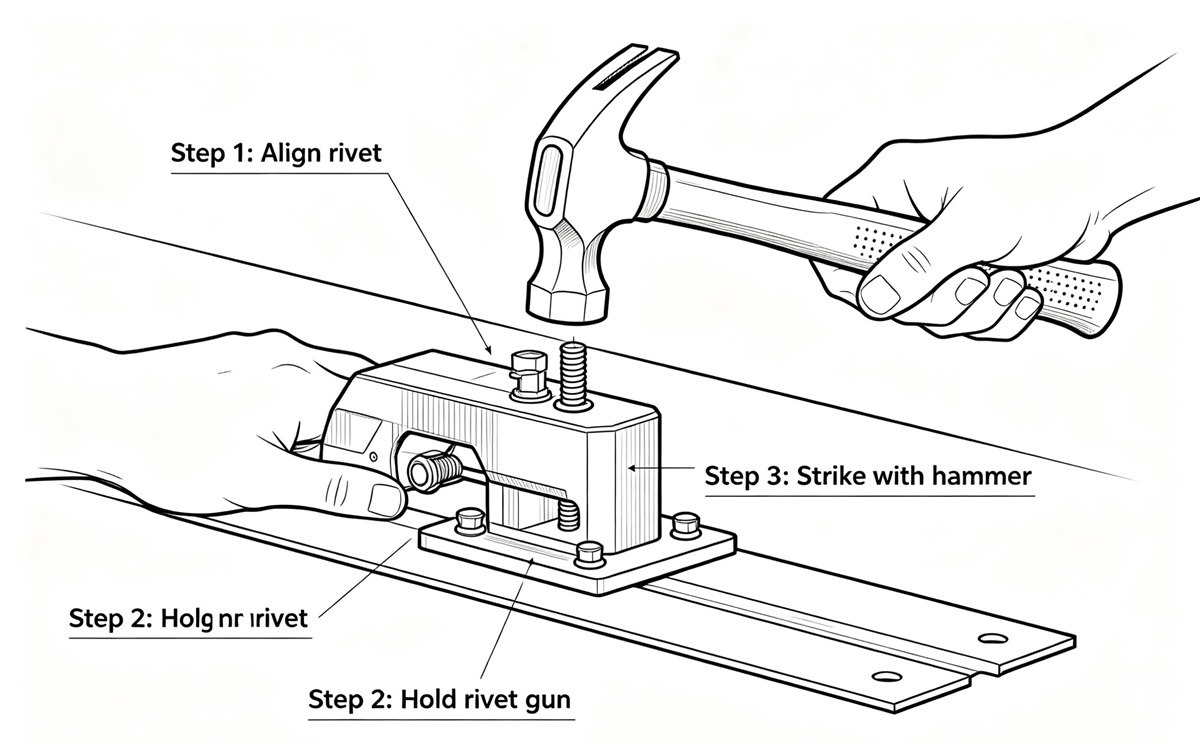
Avoid excessive hammer force, as it may deform the rivet or damage the surrounding material.
This technique is surprisingly effective and popular among DIY mechanics.
Bolt
Matching nut
Washer
Wrench
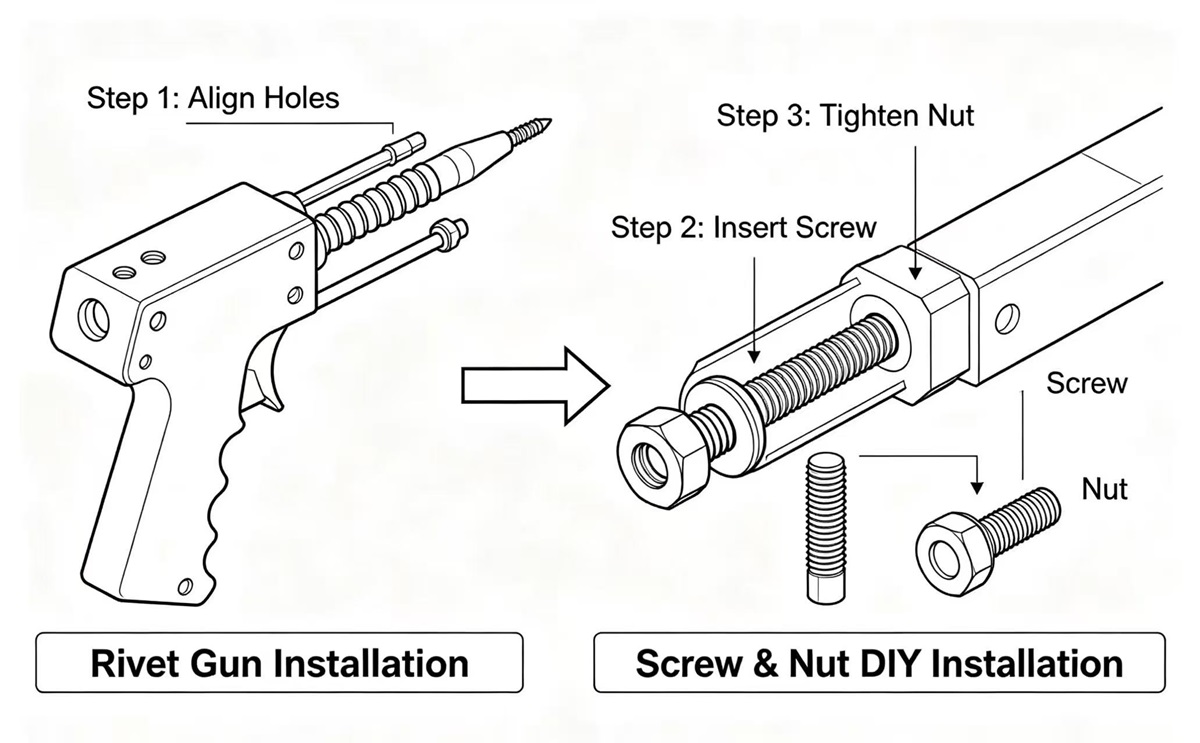
The bolt-and-nut setup creates pulling tension similar to a rivet gun.
Insert the bolt through:
Washer
Nut
Rivet mandrel area
Use a wrench to stabilize the bolt.
As the nut tightens, it pulls the mandrel upward, expanding the rivet body.
Once enough tension is reached, the mandrel breaks naturally.
This creates a strong and professional-looking rivet installation.
Not all rivets are the same. Selecting the correct rivet type is essential for durability and safety.
Best for:
Lightweight projects
Corrosion resistance
General DIY applications
Best for:
Heavy-duty applications
Structural fastening
Automotive repairs
Best for:
Outdoor environments
Marine applications
High corrosion resistance
Always match the rivet size to:
Material thickness
Hole diameter
Load requirements
Using the wrong rivet size can weaken the joint significantly.
Industrial suppliers like 4Woo often provide detailed specifications for fastening hardware, industrial components, and manufacturing materials to help users select the correct products for their projects.
Even experienced DIY users make mistakes during rivet installation.
A hole that is too large prevents proper rivet expansion.
Result:
Loose fastening
Weak structural integrity
Too much hammering or pulling may:
Crack the rivet
Damage sheet metal
Bend the workpiece
Mixing incompatible metals may lead to galvanic corrosion.
Example:
Steel rivets on aluminum panels
If the materials are not aligned properly before riveting, the joint may fail prematurely.
Why are pop rivets so popular across industries?
They install much faster than bolts or screws in many applications.
Excellent for vehicles, machinery, and moving equipment.
Perfect for blind fastening situations.
They create a neat, professional finish.
Affordable and highly reliable.
Although DIY methods can work well, there are situations where a professional rivet gun becomes necessary.
Installing dozens or hundreds of rivets manually is time-consuming.
Steel or stainless steel rivets require stronger pulling force.
Professional tools ensure:
Consistent results
Faster workflow
Better safety
For industrial assembly lines and professional workshops, high-quality fastening tools from Rocol Tools can significantly improve efficiency and riveting precision.

Manual installation methods work particularly well for:
Gutters
Metal fences
Appliance panels
Trim panels
License plate brackets
Heat shields
Robotics
Model fabrication
Aluminum frames
Camping equipment
Temporary structural fixes
Remote worksite repairs
Proper maintenance helps extend the life of riveted joints.
Check for:
Loose rivets
Corrosion
Cracks
Moisture accelerates corrosion, especially with mixed metals.
Never ignore loose or spinning rivets.
This depends on the application.
Shear strength
Vibration resistance
Permanent fastening
Removable connections
Adjustable assemblies
Repeated maintenance access
In many industrial applications, pop rivets provide more reliable long-term performance than standard screws.
No. Pop rivets are permanent fasteners and must be drilled out for removal.
It is possible, but significantly harder than aluminum rivets because steel requires much higher pulling force.
Using locking pliers is generally the simplest method for beginners.
Yes, but use rivets specifically designed for softer materials to avoid cracking.
Installing pop rivets without a gun is absolutely possible using simple hand tools like pliers, hammers, punches, or DIY bolt-and-nut setups. While these methods may not fully replace professional riveting tools, they are highly effective for small repairs, DIY projects, emergency maintenance, and occasional use.
The key to success lies in:
Choosing the correct rivet
Drilling accurate holes
Applying steady pressure
Avoiding excessive force
For professionals, manufacturers, and serious DIY enthusiasts, investing in quality fastening tools and industrial hardware can dramatically improve efficiency and long-term reliability. Trusted suppliers like Rocol Tools and 4Woo provide valuable solutions for metalworking, industrial assembly, and fastening applications across multiple industries.
Whether you are repairing automotive panels, assembling sheet metal, or working on a weekend DIY project, understanding how to install pop rivets without a gun gives you a valuable practical skill that can save both time and money.


